
Common Causes for Recurring Circuit Breaker Trips in 2026
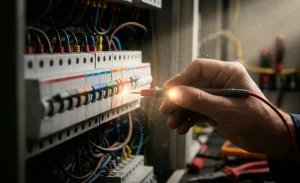
If you find yourself walking to your electrical panel in the dark more often than you would like, you are likely dealing with a safety mechanism doing exactly what it was designed to do. A circuit breaker is a critical safety component of your residential electrical system that monitors the flow of electricity. When the current exceeds a specific amperage, the internal mechanism “trips” to prevent the wiring from overheating, which could otherwise lead to a devastating house fire.
Understanding the root cause of a tripping breaker is the first step toward maintaining a safe and functional home. While some issues are minor, such as using too many appliances at once, others indicate deep-seated electrical faults that require professional intervention. In 2026, as our homes become increasingly integrated with high-powered EV chargers and smart appliances, the demand on aging breaker panels has never been higher.
Identifying a Circuit Overload
The most frequent reason for a breaker to trip is a simple circuit overload. This occurs when the total electrical demand from devices plugged into a single circuit exceeds the rated capacity of that specific breaker. Most standard residential convenience outlets are on 15-amp or 20-amp circuits. If you attempt to run a space heater, a vacuum cleaner, and a high-end gaming computer on the same line, you will likely exceed the electrical load capacity.
When the demand is too high, the internal sensing element within the overcurrent protection device heats up. Once it reaches a certain threshold, it pulls the switch to the “off” or “neutral” position. This is a preventative measure to protect the copper wiring inside your walls from melting. If you find that the trip only happens when you turn on a specific appliance, you have likely found your culprit.
The Dangers of a Short Circuit
A short circuit is a more serious condition than a simple overload. This happens when a “hot” wire (the one carrying the current) comes into direct contact with a “neutral” wire. This creates a path of least resistance, causing a sudden and massive spike in electrical current. The breaker must trip instantly to prevent sparks, smoke, and potential fires.
Short circuits are often caused by damaged internal wiring within an appliance or a loose connection inside an electrical outlet box. If you notice a burning smell, visible scorch marks around a plug, or a “pop” sound when the breaker trips, you are likely dealing with a short. In these instances, simply resetting the breaker is dangerous, as the underlying fault still exists and can cause immediate damage upon reconnection.
Ground Fault Surges and Safety
A ground fault is a specific type of short circuit that occurs when the hot wire touches the ground wire or a grounded portion of a junction box. This is particularly common in areas where moisture is present, such as kitchens, bathrooms, and outdoor spaces. Because water is an excellent conductor, even a small amount of dampness can bridge the gap between a live wire and a grounded surface.
Modern building codes require GFCI (Ground Fault Circuit Interrupter) protection in these high-risk areas. A GFCI is designed to detect minute imbalances in the current and shut off power in milliseconds. If your main breaker or a specific GFCI outlet keeps tripping, it is a clear signal that electricity is “leaking” where it shouldn’t be, posing a significant risk of electrical shock.
Troubleshooting Recurring Electrical Trips
Analyzing Appliance Power Consumption
To diagnose why your power keeps cutting out, start by taking an inventory of what is plugged in. Many modern household items pull significantly more power than people realize. High-wattage devices like hair dryers, electric kettles, and portable air conditioners are common offenders. By mapping out which outlets are tied to which electrical circuit, you can better distribute your power usage.
| Appliance Type | Estimated Amperage | Potential Impact |
| Space Heater | 12.5 Amps | High risk on shared circuits |
| Microwave | 10-13 Amps | Often requires dedicated circuit |
| Toaster Oven | 10 Amps | Common cause of kitchen trips |
| Central AC | 15-30 Amps | Requires 240V dedicated breaker |
| LED Lighting | < 1 Amp | Very low impact |
As we move through 2026, the proliferation of “smart home” hubs and multiple high-definition displays can create a “phantom load” that brings a circuit close to its limit. When a larger motor, like a refrigerator compressor, kicks in, it provides the final surge needed to trip the breaker. This is why load balancing is a vital part of modern home maintenance.
Inspecting for Physical Damage
Before calling for electrical repair, you can perform a visual inspection of your visible components. Look for frayed cords on lamps or kitchen gadgets. Check your wall plates for any signs of discoloration or warmth. If an outlet feels hot to the touch, stop using it immediately. Loose terminal screws behind the wall can cause arcing, which generates intense heat and will cause a breaker to trip as a safety precaution.
Evaluating the Age of the Breaker Panel
Electrical components do not last forever. If your home was built several decades ago and still uses the original service panel, the breakers themselves may be weakening. Over time, the internal springs and bi-metal strips inside a breaker can wear out, causing them to trip at lower thresholds than they were originally rated for. This is often referred to as a “nuisance trip.”
Replacing an old panel or upgrading to a higher amperage service (such as moving from 100-amp to 200-amp service) is a common necessity in 2026. This ensures that your home can handle the modern electrical load of heat pumps, induction stoves, and home automation systems without constant interruptions.
When to Seek Professional Electrical Repair
Persistent tripping, acrid odors, or flickering lights are more than just inconveniences; they are critical warning signs of underlying system fatigue. Modern residential grids in 2026 require specialized multimeters and diagnostic tools to trace faults hidden within your walls. Attempting to force a breaker to stay on or ignoring the smell of burning plastic can lead to major fire hazards and expensive structural damage.
To ensure your home’s infrastructure is stabilized and safe, we focus on:
Advanced Fault Diagnostics: We identify “hard faults”—such as compromised insulation or loose connections—using precision tools that pinpoint the exact location of the danger without unnecessary demolition.
Emergency Arc Fault Identification: If you detect a sweet or metallic “ozone” smell, our team provides immediate intervention to stop active arc faults before wire insulation melts completely.
Infrastructure Stabilization: We address voltage drops and inrush current issues, upgrading your panel to manage modern appliances and protect sensitive electronics like smart TVs and computers from power dips.
If you are experiencing any of these symptoms, it is time to consult with experts who understand the complexities of modern electrical systems. Contact High Voltage Electric INC today for a comprehensive safety inspection and long-term repair solution, or call us directly at: (617) 380-6462
Expert Electrical Repair and Troubleshooting Near You
Ensuring your home’s wiring meets the rigorous standards of 2026 is our top priority. High Voltage Electric INC specializes in identifying hidden dangers and providing durable electrical repairs across New Hampshire and Massachusetts.
Explore our dedicated service pages to learn more about our professional solutions in your community:
- Electrical Repair in Nashua, NH
- Electrical Repair in Bedford, NH
- Electrical Repair in Brookline, NH
- Electrical Repair in Windham, NH
- Electrical Repair in Hollis, NH
- Electrical Repair in Weston, MA
- Electrical Repair in Brookline, MA
- Electrical Repair in Bedford, MA
- Electrical Repair in Dover, MA
- Electrical Repair in Wellesley, MA
- Contact High Voltage Electric INC